Independent testing for early defence startups.
Get your product tested by industry experts outside your bubble.
From €4,000Book a check
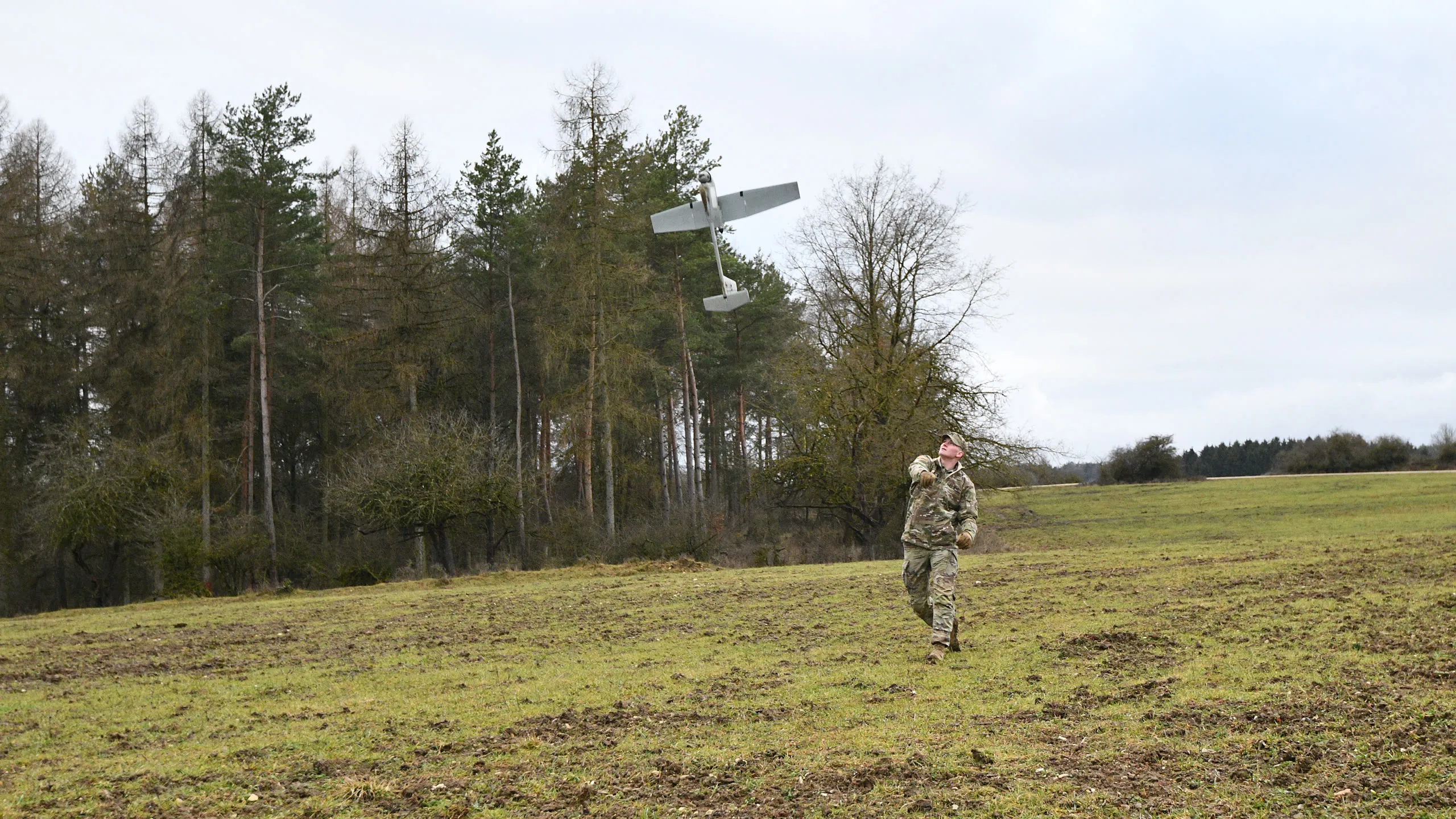
Get your product tested by industry experts outside your bubble.
Expect to hear the harsh truth.
Friends, advisors and mentors want you to succeed. Operators want it to work. Those are different things, and only one of them shows up in the report.
30 min. What you built, what you need to learn.
Preparation of scenarios and success criteria.
Tested in controlled and simulated conditions by our experts.
Findings, failure modes, then a call with the operators themselves.
Findings, failure modes and direct operator quotes, written so you can hand it to your engineers or your board without translating it first.
You watch it being used rather than reading a summary. The moment something fails is usually the moment you needed to see.
You ask them directly, and they answer directly. In practice this is where most of the value lands.
The final number depends on the system and on how much time it needs in the field.
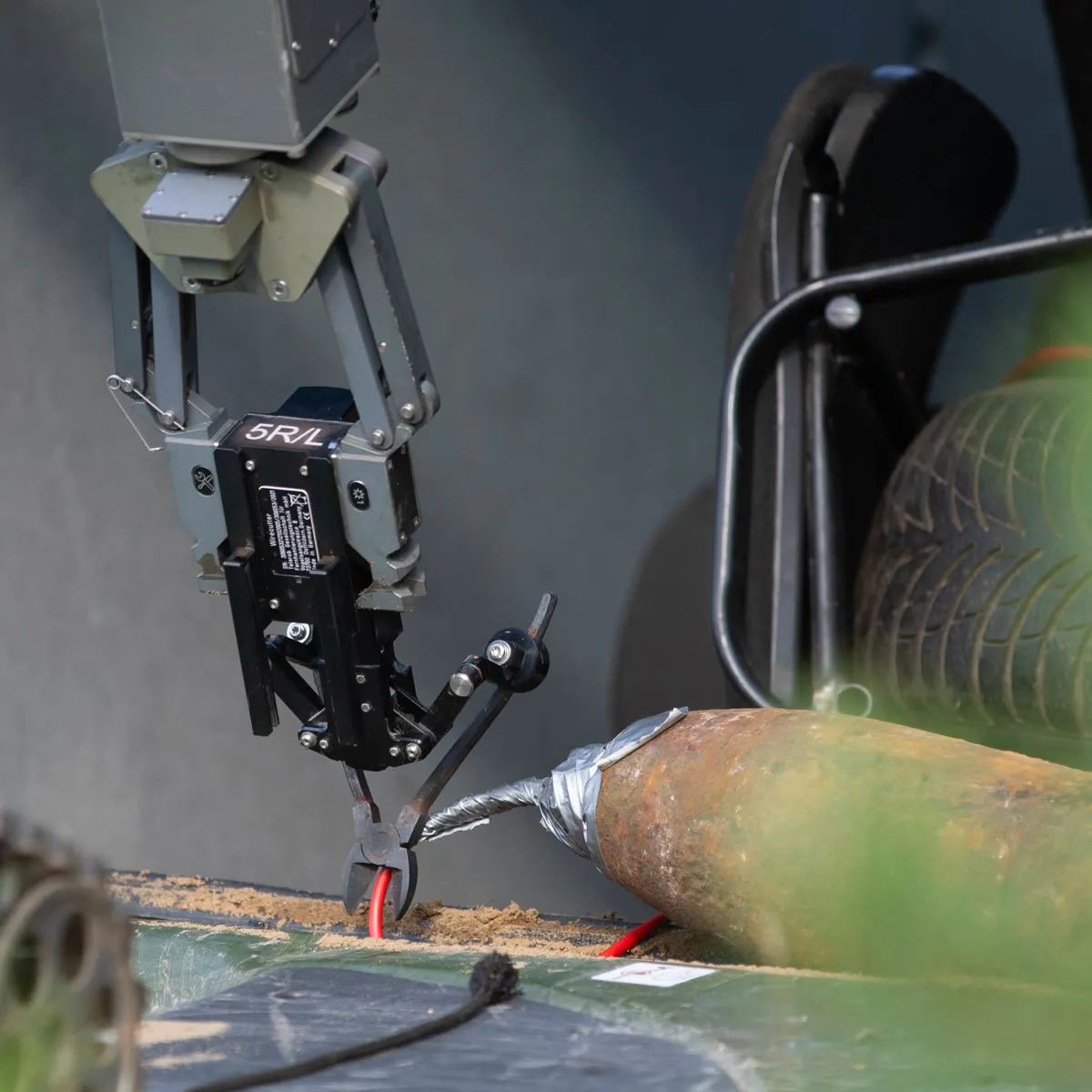
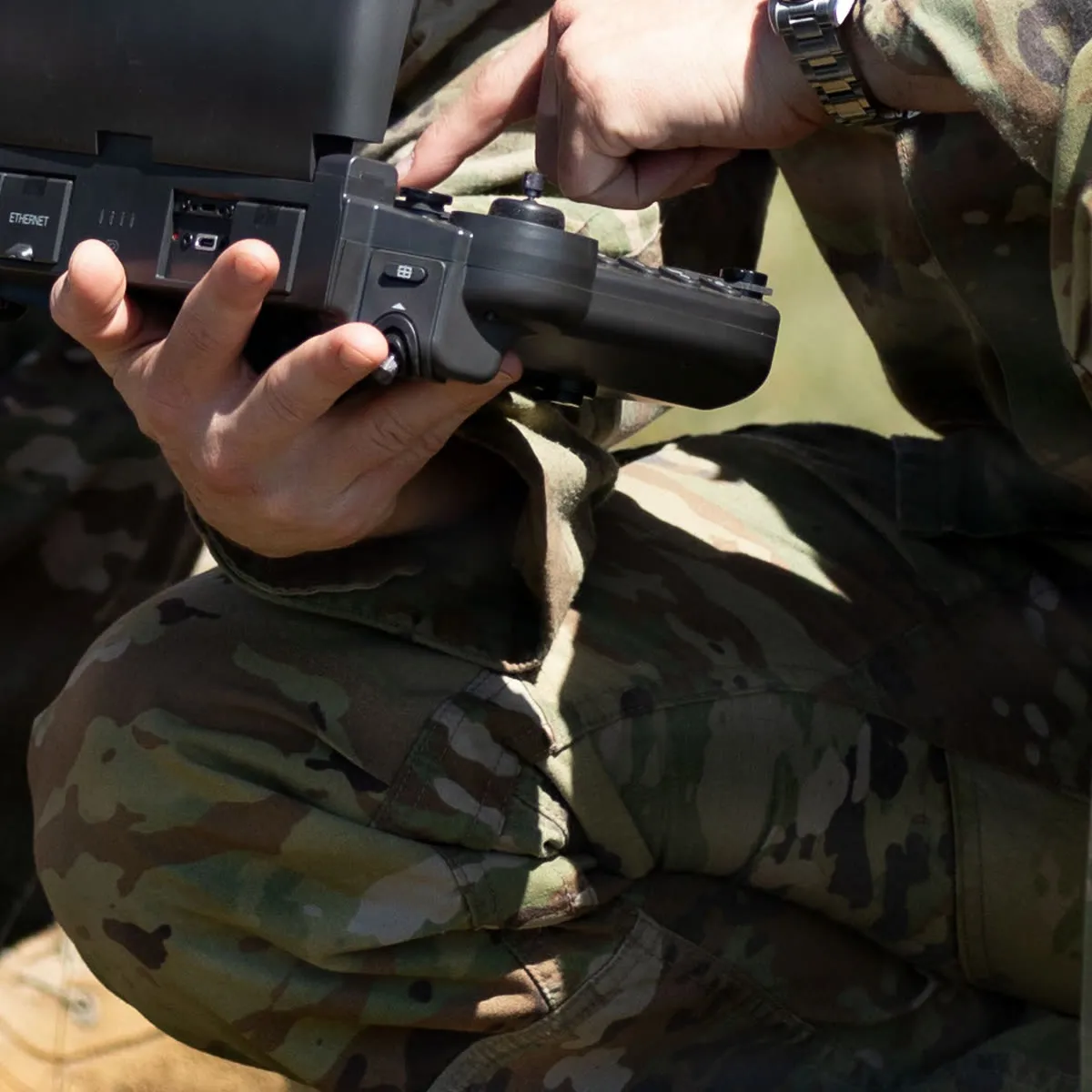
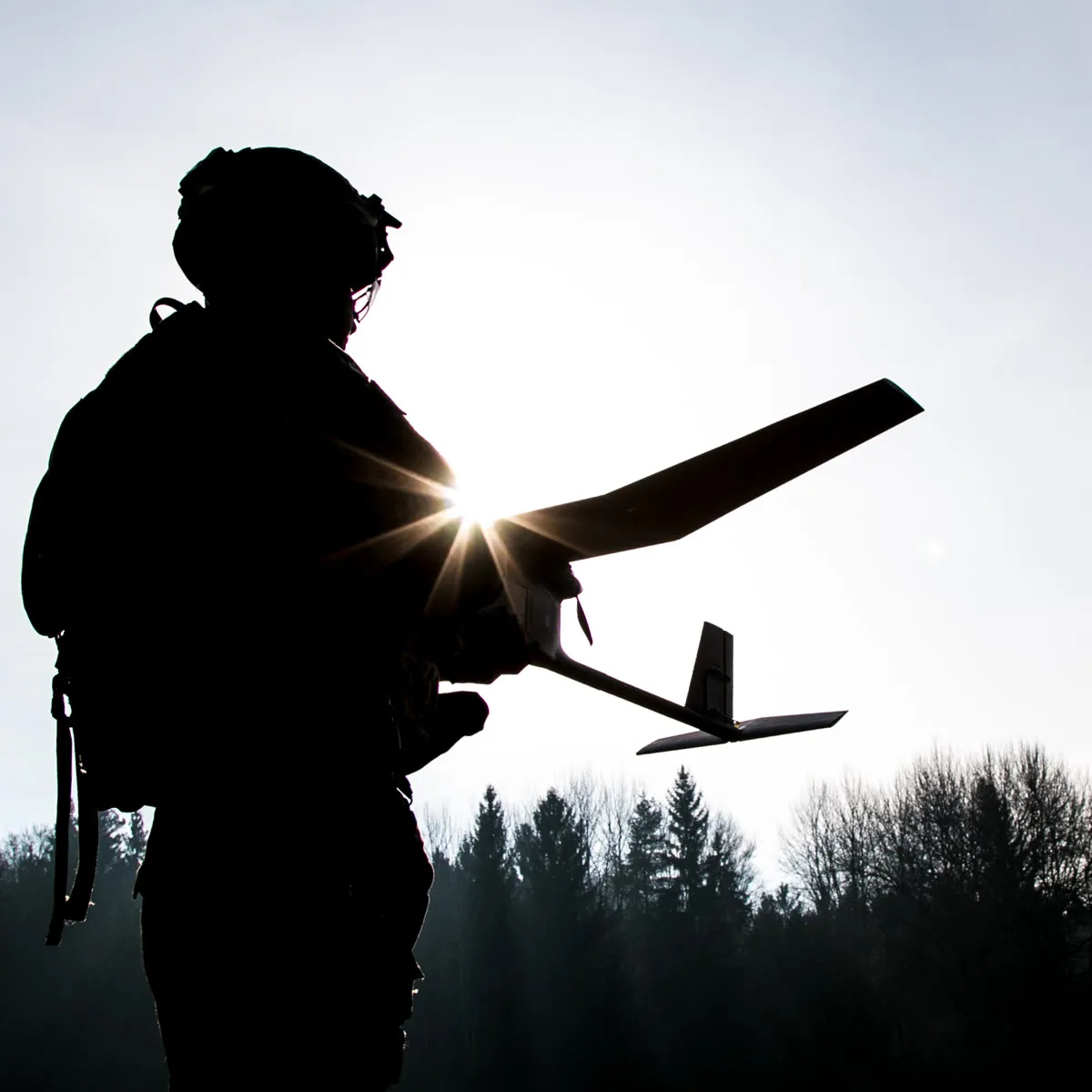
Ex‑military, or working in defence tech? Join us and help us test the latest defence startups.

Business and industry network.

Senior cybersecurity engineer.
We keep full names and operator identities off the public web.
Anything missing, ask on the intake call. It is what the call is for.
First sessions run from 1 October 2026. We are taking bookings now and we will tell you honestly where you sit in the queue.
Sessions start at €4,000. The final price depends on what you are testing and what the session needs, so we quote it individually after the intake call. You approve the quote before anything runs.
It should already have been through your own team. We are the next set of hands after that, not the first. A lot of equipment has only ever been used by the people who built it, and that is the gap this exists to close.
No. Nobody takes your prototype to a war. Sessions run in Europe, on ranges and training areas and in simulated conditions.
Across Europe. The exact site depends on what you are testing. An open range for anything that flies, an urban training area for comms and ground robotics, indoors for optics and software.
Yes, we sign yours before the intake call if you want one, and everyone on the session signs one too. Nothing from a session is published. The report and the footage go to you and stay with you.
No. You get the full session on video and a debrief call where you can ask anything you want. Standing in the room changes how people handle it and how blunt they are willing to be about it, and that bluntness is the thing you are paying for.
We find what breaks and we tell you what the people using it would change. We do not do the engineering. You get findings and recommendations, not a solution to implement.
Yes. A second session on the same system costs less, because the test plan already exists and we only change what needs changing.
A written report with findings and failure modes, direct quotes from the session, video from the session, a signed evaluation record you can attach to a grant or procurement submission, and a debrief call.
One prototype, one paragraph. We come back with a plan, a price and a date.